

Drip Filter Coffee
Drip filter coffee, also referred to as pour-over or filtered, is made by gently pouring hot water over the ground coffee and allow it to brew, while seeping through. The flavor of the coffee is affected by factors such as the size of the grind, temperature of the water, as well as the filter type.
A medium grind size can ensure a the extraction of coffee flavors in a balanced manner, while changing the grind size can enhance or mellow specific characteristics of the coffee according to the preferences of the consumer.
Grind Size
The size of the grind is an important aspect of drip brewing. It determines how quickly water passes through the coffee grounds and the way flavor compounds are extracted. The right grind size is vital to ensure a proper balance of extraction time and flavor and to avoid over- or under-extraction. Insufficient extraction can give a sour flavor that is bland. Excessive extraction can lead to the taste of being bitter and hollow. To prevent these problems, the ideal grind for drip coffee is medium with a consistency that is similar to that of granulated sugar.
The size of the grind will vary depending on which filter is used and the brewing method. For instance flat-bottom filters work best with a medium-sized grind, while cone-shaped filters require a more fine grind. You can discover your favorite flavors by playing around with different grind sizes and different types of beans.
The size of the grind can affect how hot the water will be when it reaches the beans and this plays a significant role in flavor development as well as extraction. The surface area of a bean when it is crushed too finely is not enough for it to to come into contact with hot water. This can result in an acidic and sour taste, while a too-fine grind could result in over-extraction and a bitter and hollow taste.
Finely ground coffee is the ideal for Turkish or espresso coffee since it has the biggest surface area. This kind of grind requires a more prolonged extraction process to bring out the full flavor of the beans. Coffee with coarse ground has rough texture, which resembles sea salt, and this kind of grind is ideal for cold brew or French press brewing techniques.
Comparing the size of the grinding to a jolly Rancher is the best way to grasp the impact on the temperature of water. A complete jolly rooster takes longer to dissolve in water, while a smaller one dissolves quickly because the surface area is much greater. This is why it is vital to be aware of the importance of grind size in your brewing technique and to test different sizes until you have the one that creates the most perfect cup of coffee for you.
Water Temperature
The temperature of the water is crucial to drip filter coffee, because it affects how effectively it extracts flavor compounds from the grounds. The water should be at or below boiling temperature for a balanced and flavourful cup. A hot water can result in bitter coffee and over-extract and too cool water may not extract enough flavour. The ideal range for water temperature is between 195 and 205 degrees Fahrenheit. A thermometer can help to ensure that the water is at the right temperature to brew. You can also bring the water to a boil, then let it sit for a few minutes before pouring it out, that will also result in a similar temperature.
The temperature of the water is crucial as different soluble substances will extract at different rates. Acidic and fruity flavours extract first then sweetness and balance, then bitterness and caffeine. The proper temperature of water will extract these flavours and provide you with a fantastic cup.
As you increase the temperature of your water it will begin to extract flavor more quickly however, the process isn't linear. Temperatures that exceed 205°F may quickly overextract, resulting in bitter coffee. On the other hand, water that is too hot is unable to extract flavor and can result in weak coffee.
The ideal temperature for water for your drip filter coffee is simple enough but it will require attention to detail and the use of a top quality thermometer. Choose a thermometer which can be read by lasers or, if you prefer, use a traditional thermometer. This is made easier by using a gooseneck that has adjustable temperature settings.
Experiment with varying the water temperature, grind size and brew times to find the one that works best for your particular preferences. You can go with lower temperatures (around 200 degrees Fahrenheit), for lighter roasts to highlight fruity and acidic flavors, or a higher temperature, with darker roasts to get bolder and smoky flavours.
Filter Type
There are a variety of filter types to choose from, each affecting the taste of your coffee and its mouthfeel. Some filters are paper-based while others are metal or cloth-based. The kind of filter you choose to use will determine how much ground matter is absorbed into the cup and consequently, the quality of your drink. For instance paper filters stop the majority of the smaller particles from getting through to the cup. This can result in more mouthfeel and a richer tastes, while a metallic filter will allow more of the sediment and oils to pass through.
There's also a difference in the degree of tightness that the weave of the filter is, which affects the taste of your coffee. A looser weave allows more sediment and oil to pass through the filter, while a tighter weave blocks more particles, resulting in cleaner, lighter tasting coffee. Additionally the thickness of the filter can also impact the production process. A thicker filter will reduce the flow of water through the grounds, resulting in a slower extraction. A filter that is thinner can speed the process of brewing and enable faster extraction time.
Coffeee UK is described as less acidic and milder when compared to other kinds of espresso. This is due to the fact that the water drips repeatedly through the ground beans before reaching your mouth. The brew also retains more of the antioxidants and caffeine naturally found in the beans. This makes it more nutritious than other types of coffee.
There are many ways to brew coffee drip filter coffee is one of the most popular choices. It's easy to make and requires only the use of a few items of equipment, making it a great option for beginners or anyone looking to start their morning with a simple method. When making drip filter-coffee, it is essential to pay attention to the machine you use and the type of filter you use. They will have a major impact on the final result. With a bit of practice, you'll make drip filter coffee like a pro in the blink of an eye!
Filter Shape
There are several types of coffee filters, each with their particular advantages and disadvantages. Paper filters are the most widely used and easy to use. They are efficient in filtering out bitter particles and are suitable to grind any size. They are, however, able to introduce foreign tastes and odors to the cup of coffee. Despite these drawbacks filter paper is the ideal choice for drip brews. They are also reusable and easy to clean.
Metal filters are also popular however, they can have a negative effect on the taste of your cup of coffee. Metal filters don't have the same maze of spaces that are found in paper filters they have straight holes that are generally quite large. This allows for large amounts of fines to get through and end up in your cup of coffee.
Cloth filters can also be used, and can have a positive impact on the flavor of the final cup. They can be reused and do not restrict water flow, but they come with their own challenges. They are most notable for their tendency to impart a taste of paper to coffee and may cause a blockage.
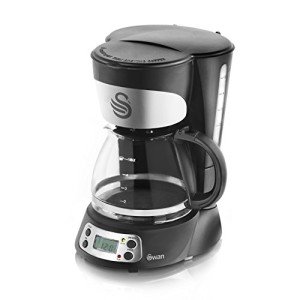
Cone, disk, and a basket are other types of coffee filters. Cone filters can be made from metal, paper or cloth. They are the most frequently used kind of filter in pour-over brewery. These filters are difficult to handle because of their shape. A digital Caliper that has a precision of 20 microns is required to measure their thickness accurately.
The main advantage of a cone-shaped filter is that it allows more oil to pass through the filter and into the cup which results in a stronger, bolder beverage. The extra oil can also help to protect against acidity in the resulting coffee. In addition, cone filters are fantastic at highlighting earthy and umami flavors that can be absent in other brewing methods.